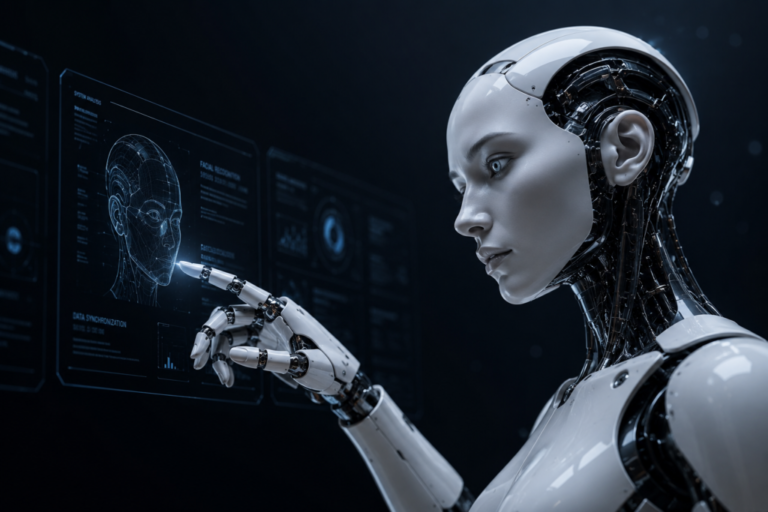
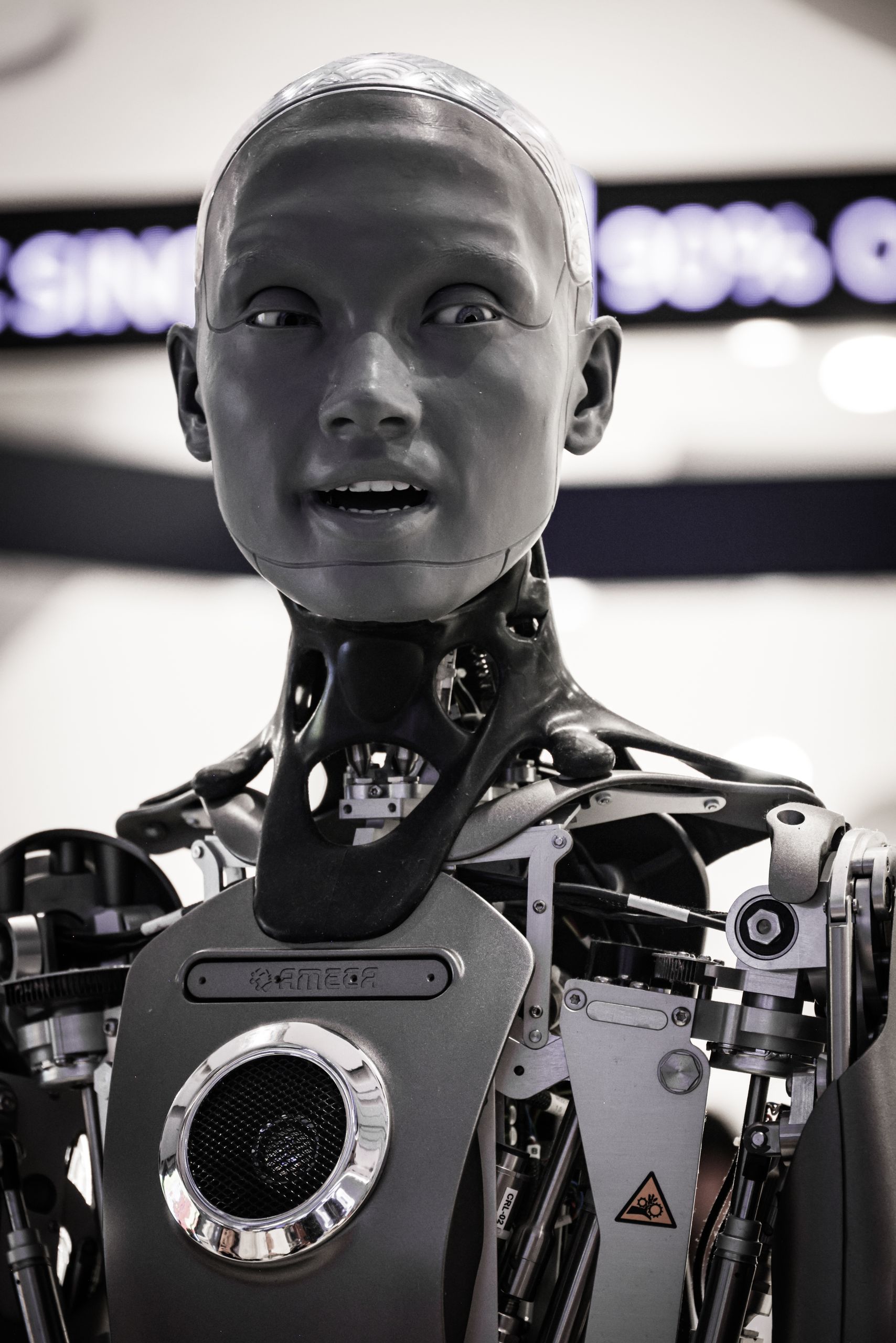
Humanoid Robot Cost: A Budget Guide for Custom Android Projects
How much does a humanoid robot cost when a project needs more than an off-the-shelf demonstration unit?
The answer depends on what the robot must do, where it will operate, how humanlike it should appear and how deeply it must connect to real business systems. Hardware is only one part of the budget. Conversation, movement, character design, integration, safety, testing and long-term support can be equally important.
This guide gives organizations a practical way to budget a humanoid or android project. It explains the major cost drivers, the difference between a pilot and production deployment, the hidden operating costs to include and the information a development partner needs before preparing an estimate.
Table of Contents
- What Determines Humanoid Robot Cost?
- Hardware, Body and Physical Design Costs
- Software, AI and Conversation Costs
- Character, Motion and Human Interaction Costs
- Integration, Safety and Deployment Costs
- Pilot vs Production Budget
- Build a Reliable Humanoid Robot Budget
- Humanoid Robot Cost FAQ
- Conclusion: Price the Outcome, Not Only the Robot
What Determines Humanoid Robot Cost?
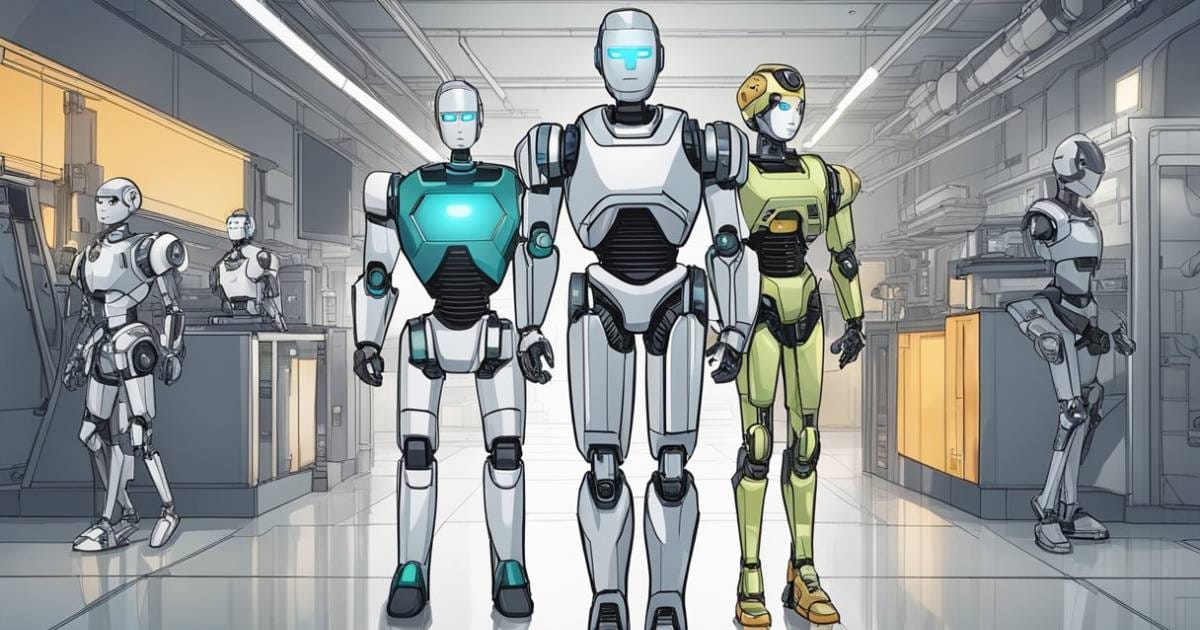
Humanoid robot cost starts with the use case. A stationary reception android that greets visitors has different requirements from a mobile guide, research platform, companion robot or machine that manipulates objects. Every additional capability affects the body, sensors, compute, software, safety case and support model.
Appearance also changes the budget. A clearly robotic shell can use standard components and simple surfaces. A lifelike android may require custom sculpting, scanning, skin materials, hair, eyes, facial mechanisms and precise coordination between voice and expression. Greater realism raises expectations, so subtle movement and timing become part of the quality bar.
The operating environment matters just as much. A controlled exhibition booth is easier to engineer than a hotel lobby, hospital, school or busy public venue. Noise, lighting, crowds, children, accessibility, network quality, floor conditions and staff supervision all affect design and validation.
Begin by clarifying whether the project needs a humanoid robot or a specifically humanlike android. The guide to humanoid robots versus androids explains how form, realism and purpose differ. Organizations comparing general categories can also review intelligent robot types and capabilities.
Hardware, Body and Physical Design Costs
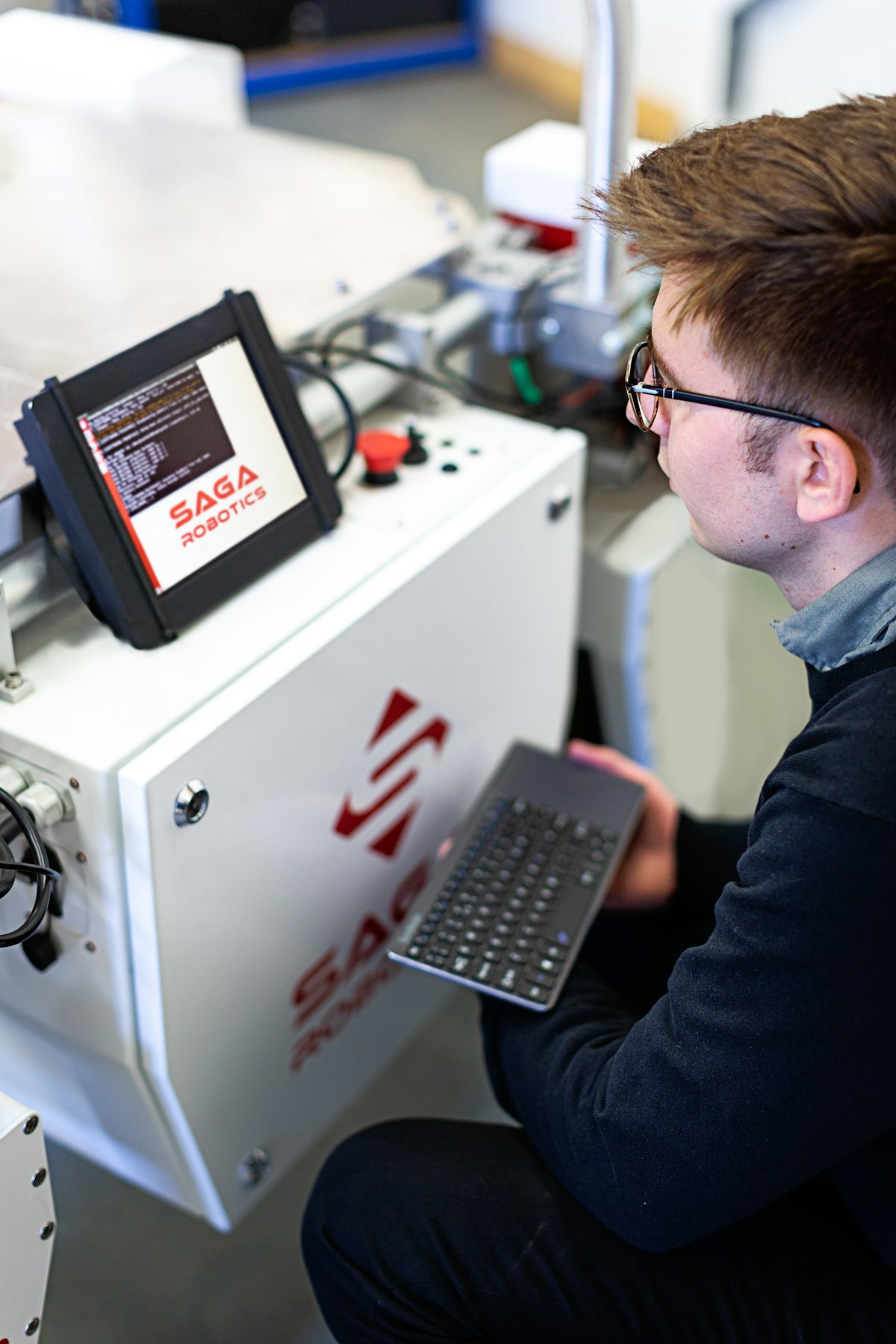
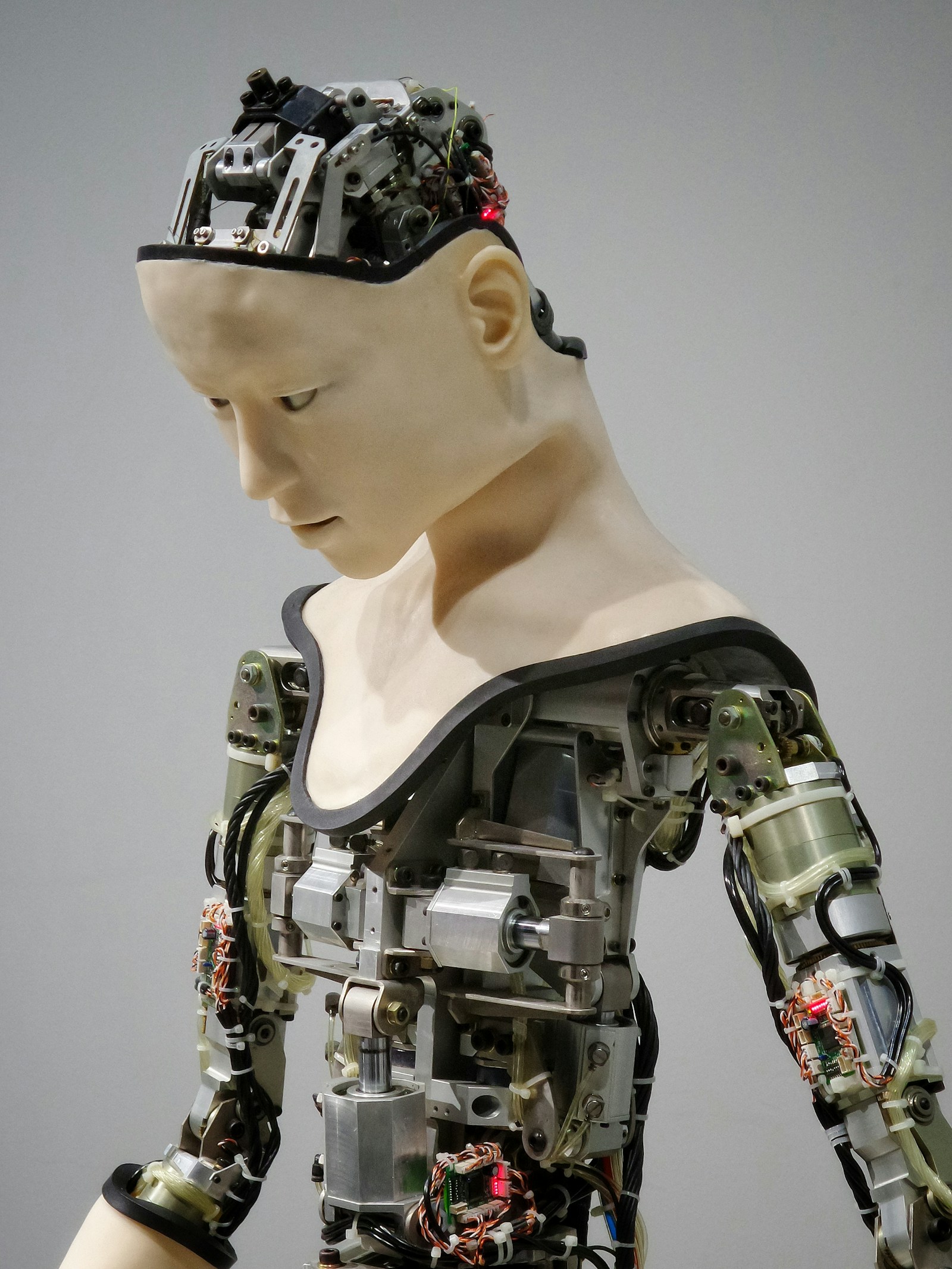
The physical platform includes the structure, joints, actuators, power system, sensors, compute, speakers, microphones, cameras, displays, outer shell and service access. A stationary upper-body android may avoid the cost and safety complexity of autonomous mobility, while a walking humanoid needs advanced balance, control, power and fall-risk engineering.
Actuator count and precision are major drivers. A head that turns and nods is less complex than a face with coordinated eyes, brows, cheeks, lips and jaw. Dexterous hands cost more than fixed or gestural arms. Each moving element adds parts, control logic, calibration, failure modes and maintenance.
Sensors should follow the task. A front-desk robot may need directional microphones, cameras and proximity sensing. Mobile navigation adds depth sensing, localization and obstacle detection. Touch, force or environmental sensing may be required for physical interaction. Buying every possible sensor increases cost without guaranteeing a better experience.
Industrial design affects durability and serviceability. Teams should plan how technicians reach components, replace high-wear parts, transport the robot and recover it safely after a fault. A beautiful shell that is difficult to open can create recurring downtime and labor costs. The article on smart robot capabilities and real-world limits helps separate useful hardware from impressive specifications.
Software, AI and Conversation Costs
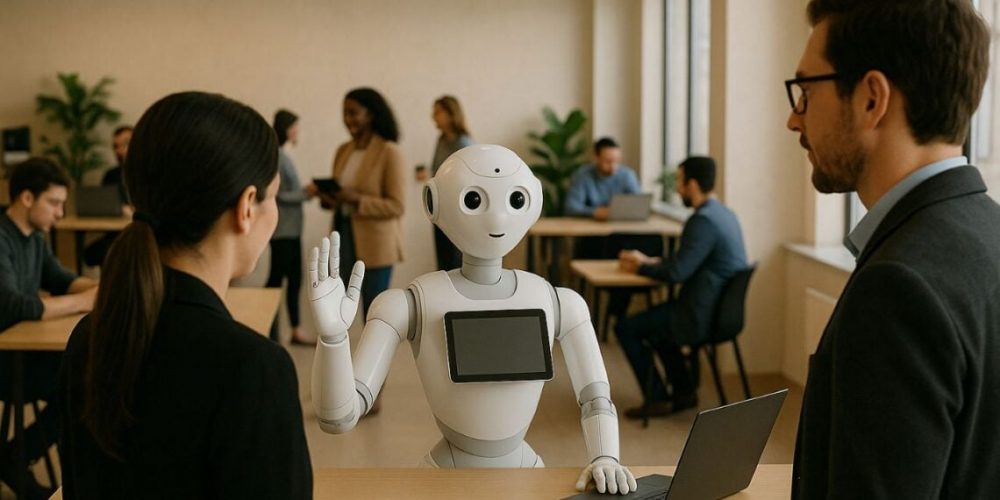
Robot software connects perception, decision making, motion, conversation and business rules. Even when teams start with an existing platform, they must configure behaviors, create interfaces, manage device states and build reliable recovery when a service or network connection fails.
Conversational AI includes speech recognition, language understanding, approved knowledge, response generation, voice output, interruption handling and fallback behavior. A public-facing robot also needs content governance: who can update answers, which claims require review, what the robot should refuse and when it transfers a visitor to a person.
Cloud services may charge for speech, language models, storage, analytics and monitoring. Local processing may reduce latency or support privacy but requires compatible hardware and more deployment engineering. Multilingual operation adds language testing, voice selection, localized content and cultural review rather than a simple translation toggle.
For service scenarios, the guide to conversational AI for front-desk robots outlines the full interaction stack. Teams planning several countries should also include the architecture and localization work described in multilingual robot design patterns.
Character, Motion and Human Interaction Costs
A humanoid machine communicates before it speaks. Face design, gaze, posture, gesture, distance and timing influence whether people understand and trust it. Character design therefore covers more than visual style. It defines personality, voice, vocabulary, movement qualities, boundaries and the relationship between humanlike signals and actual capability.
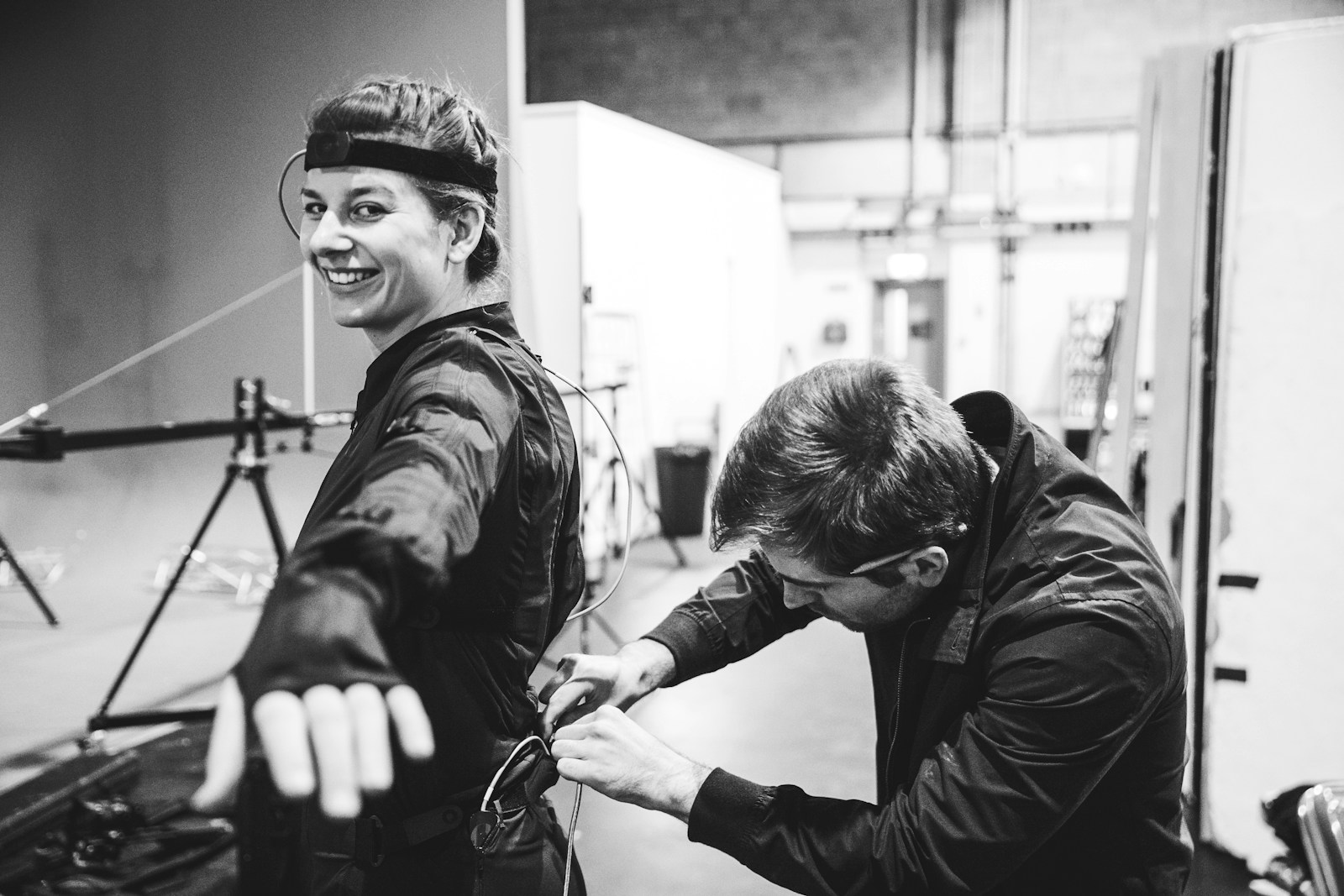
Motion can be hand-authored, procedural, captured from performers or blended from several methods. Motion capture provides natural reference, but data must be adapted to the robot’s joint limits, speed, balance and safety constraints. Expressive movement also needs transitions so the robot does not snap between gestures or continue performing while a person has stepped away.
Lifelike faces require coordination between speech and expression. Lip movement, blinks, gaze and micro-expressions must feel coherent without overstating emotion. When realism exceeds behavioral quality, users may experience the uncanny valley. A stylized robot with consistent behavior can create more trust than a realistic face with poor timing.
Budget for interaction design and user testing, not only animation production. Mimic Androids’ guide to human-robot interaction design explains how conversation, movement, trust and transparency work together. For longer social relationships, the companion robot design guide covers consent, memory and emotional boundaries.
Integration, Safety and Deployment Costs
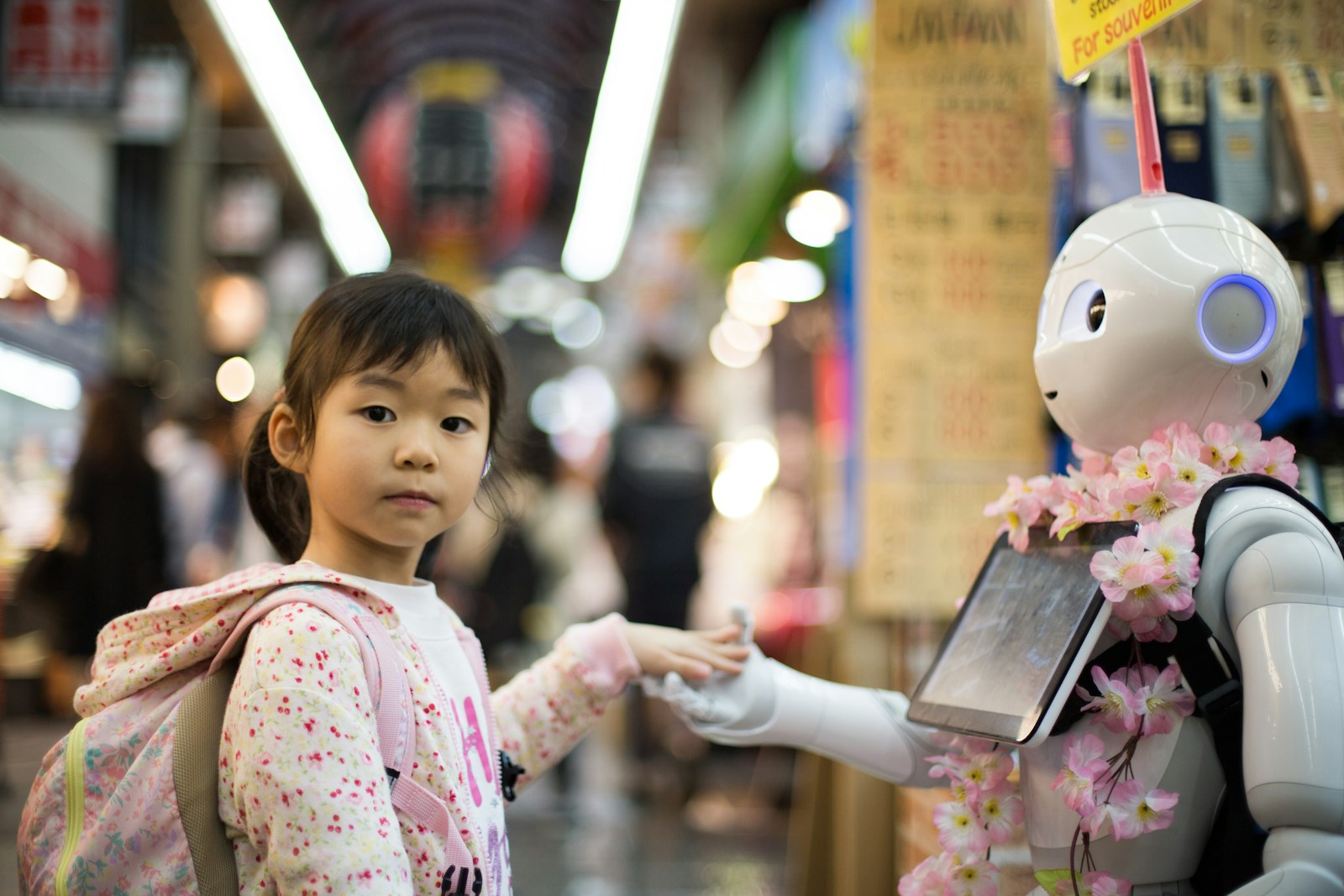
A robot becomes useful when it connects to the systems around it. Reception deployments may need calendars, visitor management, maps, ticketing, CRM, access control or staff messaging. Museums may connect content systems and exhibit databases. Each integration needs authentication, permissions, error handling, monitoring and an owner.
Safety work depends on the robot and setting. Teams may need hazard analysis, motion limits, emergency stopping, safe zones, supervision procedures, signage and staff training. Mobile robots require special attention to navigation through crowds, changing layouts and users who behave unpredictably.
Privacy and security are recurring costs. Cameras and microphones can capture sensitive information, even when recording is not the goal. Projects should minimize data, explain collection, define retention, protect access and provide an alternative path for people who do not want to interact with the machine.
Deployment also includes transport, installation, venue testing, connectivity, calibration, spare parts and support. Public-facing examples such as museum robot visitor experiences show why accessibility, human handoff and operational ownership should be designed before launch.
Pilot vs Production Budget
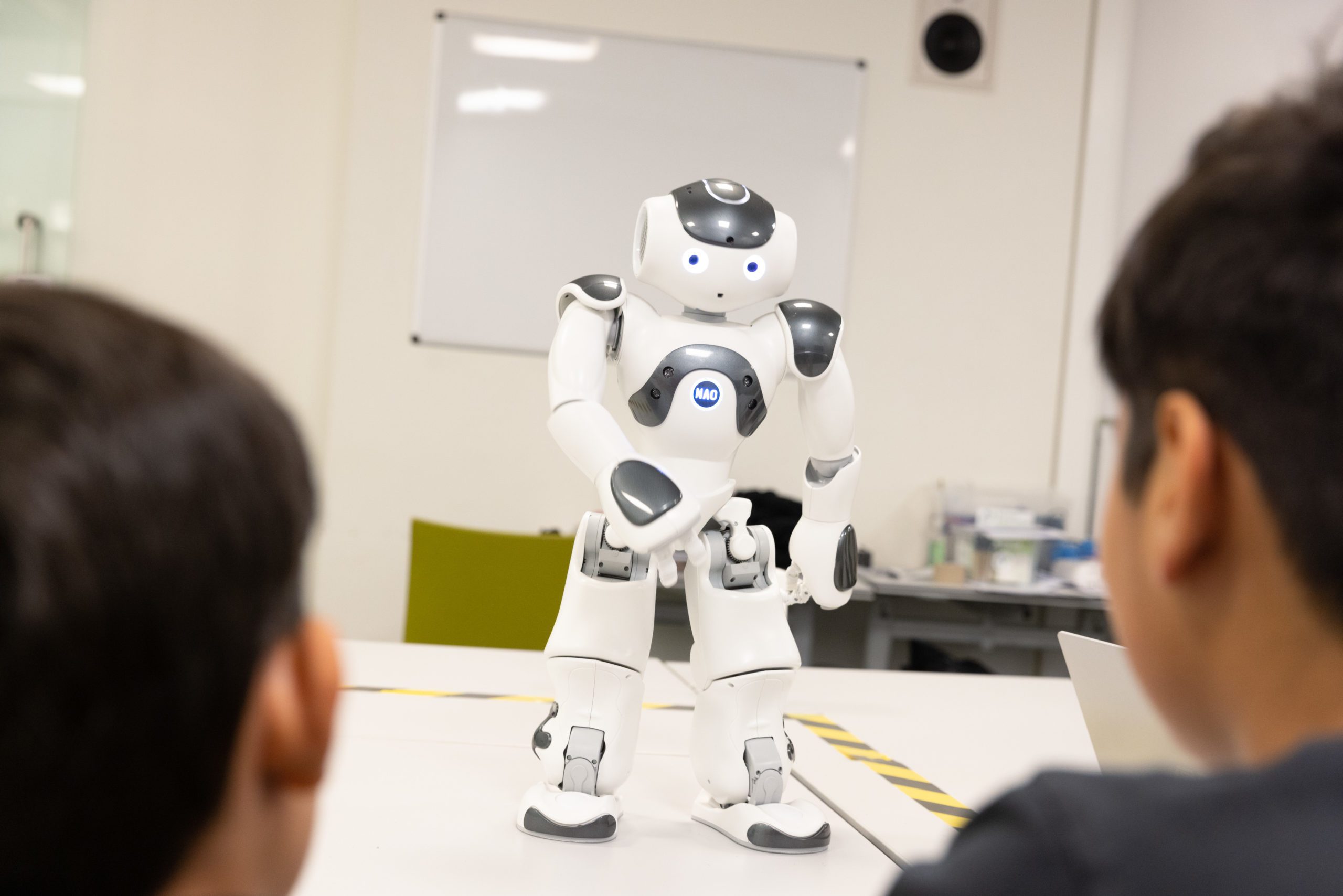
A pilot proves a focused outcome with limited scope. It may use an existing robot platform, one language, one location and a bounded set of conversations. The goal is to test visitor response, task completion, integration assumptions, staff workload and technical reliability before investing in custom hardware or a large fleet.
A production deployment needs the elements a demonstration can postpone: monitoring, analytics, content management, security, accessibility, documentation, spare parts, staff training, maintenance and recovery procedures. It also needs repeatable installation and configuration if several sites are involved.
Simulation can reduce risk before hardware is ready. Teams can test reach, visibility, movement, conversation flows and venue layouts with a digital twin, then validate the remaining assumptions on the physical system. Read more in humanoid robotics simulation and digital twins.
Education projects illustrate the value of narrow pilots. The analysis of NAO robots in education shows how structured tasks and teacher ownership matter more than general claims about AI tutoring. Commercial teams can apply the same principle: prove one useful journey, then expand from evidence.
Build a Reliable Humanoid Robot Budget
A reliable budget begins with outcomes, users and constraints. Describe the exact tasks, environment, daily operating hours, languages, required systems, mobility, appearance and level of autonomy. State what success means: fewer repetitive questions, better wayfinding, higher exhibit engagement, research data or a distinctive brand experience.
Separate one-time development from recurring operation. Initial costs may include discovery, industrial design, hardware, character work, software, integrations, simulation, testing and installation. Recurring costs may include cloud services, connectivity, monitoring, content updates, maintenance, replacement parts, venue support and software security.
Plan for uncertainty with staged approvals. A sensible sequence can include discovery, interaction prototype, digital simulation, hardware proof, controlled pilot and production rollout. Each stage should have evidence-based acceptance criteria and a decision about whether to continue, revise or stop.
- Use case, users, environment and measurable outcome
- Body type, mobility, actuators, sensors and physical appearance
- Conversation scope, languages, knowledge sources and fallback rules
- Business integrations, privacy, cybersecurity and data retention
- Safety limits, accessibility, staff supervision and emergency procedures
- Pilot duration, target reliability and production rollout assumptions
- Maintenance, support, spare parts, cloud usage and content updates
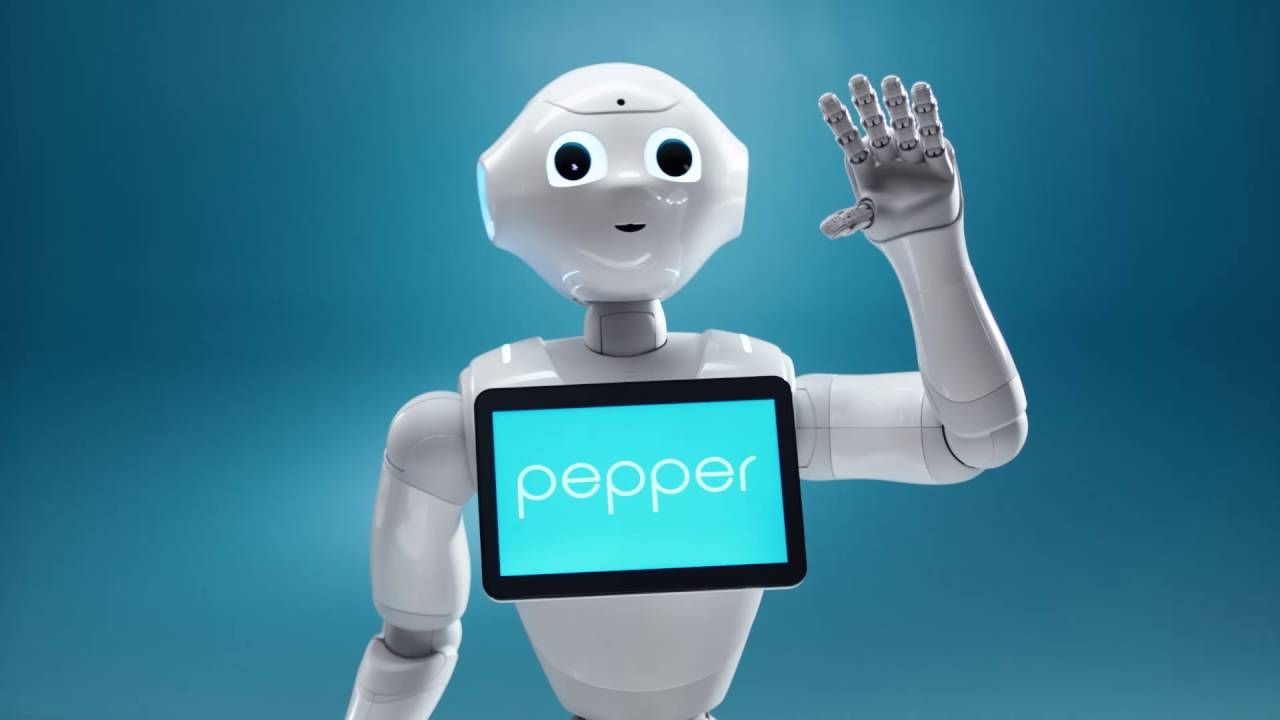
Off-the-shelf platforms can be valuable benchmarks. The review of the Pepper robot and custom-build tradeoffs shows where a standard platform is efficient and where a custom humanoid becomes worthwhile. Ask vendors to separate assumptions, optional capabilities and recurring fees so proposals can be compared on the same basis.
Humanoid Robot Cost FAQ
How much does a humanoid robot cost?
There is no single price. Research and standard service platforms may cost far less than a custom lifelike android. The total depends on body design, mobility, sensors, AI, integrations, safety, testing and support.
Why are custom android robots expensive?
Custom androids combine robotics, industrial design, lifelike materials, facial motion, character development, speech, software integration and extensive validation. Each subsystem must work coherently in the target environment.
Is hardware the largest part of the budget?
Sometimes, but software, conversation design, integration, motion, testing and ongoing operation can equal or exceed hardware cost in complex public-facing deployments.
Does a walking humanoid cost more than a stationary robot?
Usually. Walking adds balance control, power demand, sensing, fall risk, mechanical wear and more demanding safety validation. A stationary or wheeled design may achieve the business goal more efficiently.
How much does conversational AI add to robot cost?
Cost depends on languages, knowledge scope, integrations, expected traffic, latency, privacy and monitoring. Cloud usage is recurring, while conversation design and system integration are usually development costs.
Can simulation reduce humanoid robot development cost?
Yes. Simulation helps teams test body constraints, environments, interaction flows and edge cases before committing every change to hardware, although final physical testing remains necessary.
What ongoing costs should a robot budget include?
Include cloud services, connectivity, monitoring, maintenance, replacement parts, content updates, security, insurance, staff time, transport and technical support.
Should an organization buy an existing robot or build a custom one?
Use an existing platform when its form and capabilities fit the task. Consider custom development when brand identity, lifelike interaction, special hardware, unique integrations or long-term ownership create material value.
How should a company start a humanoid robot project?
Begin with discovery and a narrow pilot. Define one useful journey, target users, environment, safety boundaries, success metrics and human handoff before expanding features.
What information is needed for a humanoid robot quote?
Provide the use case, location, operating hours, audience, body and mobility needs, languages, integrations, interaction scope, safety constraints, deployment count, timeline and support expectations.
Conclusion: Price the Outcome, Not Only the Robot
Humanoid robot cost reflects a complete experience: body, intelligence, motion, character, integrations, safety and the people who operate it. A lower hardware price does not create value if the robot cannot complete its task reliably or becomes expensive to support.
Discuss your humanoid or android project with Mimic Androids to define a focused pilot, compare platform and custom-build options, and create a budget tied to measurable deployment outcomes. Explore the Mimic Androids capabilities for simulation, character development, interaction design and production-ready robotics experiences.